O que você está procurando?
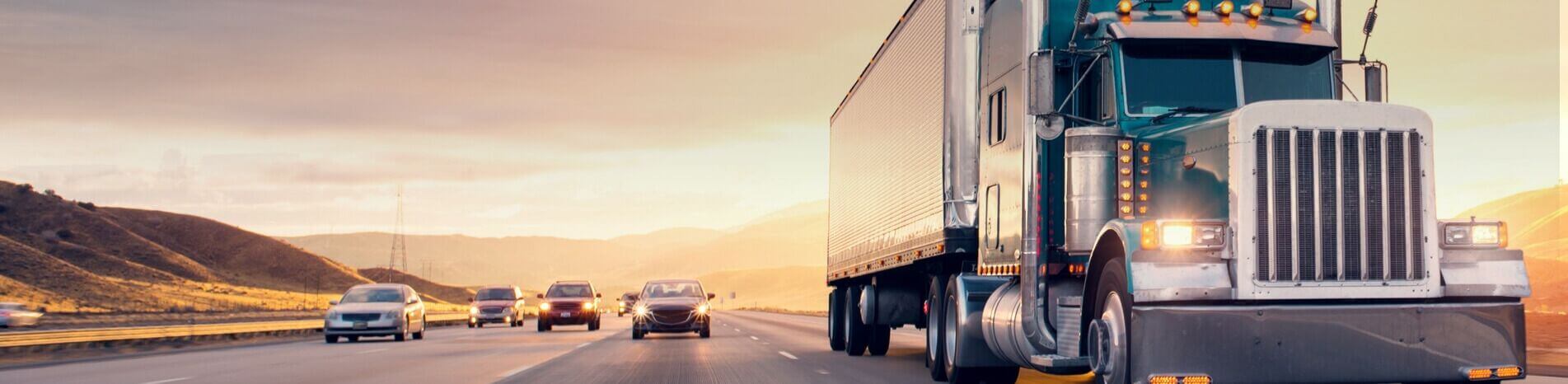
Quando as equipes de aquisição de frotas avaliam uma comercial câmera de painel com IA, elas naturalmente começam pela ficha técnica do hardware. A resolução da câmera, a capacidade de processamento do chipset e as classificações de proteção física contra entrada de elementos dominam a lista de verificação. No entanto, as operações em campo revelam rapidamente que um dispositivo que funciona perfeitamente em uma bancada de laboratório limpa ainda pode se tornar uma responsabilidade operacional quando implantado dentro de um veículo em operação.
A verdadeira estabilidade tecnológica nunca é uma métrica baseada apenas no hardware. Para frotas comerciais, a confiabilidade real de um sistema é determinada pela integração perfeita entre os componentes físicos, o firmware de borda e os complexos ambientes da cabine de transportes especializados.
1. O Custo da Imprecisão de Dados e da Fadiga de Alertas
Uma baixa taxa de substituição de hardware não tem significado se um firmware de dispositivo não otimizado gerar comportamentos instáveis nos dados. Quando um dispositivo telemático produz inteligência de borda imprecisa, ele desencadeia uma cadeia de custos operacionais ocultos em toda a frota:
· Fadiga de Alertas: Algoritmos de visão excessivamente sensíveis ou mal calibrados bombardeiam os gestores de frota com centenas de alertas falsos positivos de distração ou colisão. Com o tempo, as equipes de segurança perdem completamente a confiança no sistema, neutralizando o investimento inicial em tecnologia.
· Ineficiência de Dados Celulares: Uma lógica de computação de borda mal ajustada leva a carregamentos contínuos e desnecessários de pacotes de vídeo não críticos. Esse excesso de dados se converte diretamente em custos mensais imprevisíveis e crescentes de dados celulares.
· Sobrecarga Administrativa: Cada alerta falso exige trabalho humano valioso para investigar, verificar e descartar. Em vez de automatizar a segurança da frota, a tecnologia se torna um fardo administrativo.
A fabricação de hardware de nível industrial deve tratar o aprimoramento do firmware, o ajuste de algoritmos e a precisão dos dados com a mesma disciplina de engenharia usada para construir estruturas físicas robustas.
2. Restrições de Implantação Física vs. Eficiência Teórica
As horas de trabalho durante uma implantação representam uma parcela significativa de qualquer orçamento de telemática. Muitos fornecedores de hardware prometem instalação rápida, mas seus projetos frequentemente ignoram a arquitetura física das cabines de veículos comerciais.
Em veículos comerciais leves (LCVs), vans de entrega e equipamentos especializados de transporte de carga, os técnicos de instalação raramente trabalham com caminhos amplos para cabos. Os fios precisam ser conduzidos por revestimentos de teto extremamente apertados, estruturas densas de painéis e acabamentos rígidos das colunas A que nunca foram projetados para acomodar chicotes elétricos grossos e inflexíveis.
Quando uma câmera de painel com IA utiliza cabeamento volumoso ou conectores grandes para acelerar a fabricação, surgem graves riscos de campo posteriores:
· Roteamento de Fios Comprometido: Forçar os técnicos a trabalhar com geometrias de fios inflexíveis incentiva instalações apressadas para cumprir as metas de tempo de inatividade da frota.
· Desgaste Mecânico por Atrito: Chicotes soltos ou escondidos de forma inadequada, vibrando contra suportes metálicos internos afiados da cabine, acabarão sofrendo desgaste por atrito. Essa degradação causa quedas intermitentes de energia e perda de dados — falhas frequentemente diagnosticadas incorretamente como hardware defeituoso, quando na verdade são resultado de uma engenharia de campo inadequada.
· Desgaste do Motorista: Cabeamento vulnerável, exposto ou mal fixado aumenta o risco tanto de danos acidentais durante as operações diárias quanto de adulteração intencional do dispositivo.
3. A Abordagem da Huabao: Validação Pré-Mercado e Engenharia Personalizada
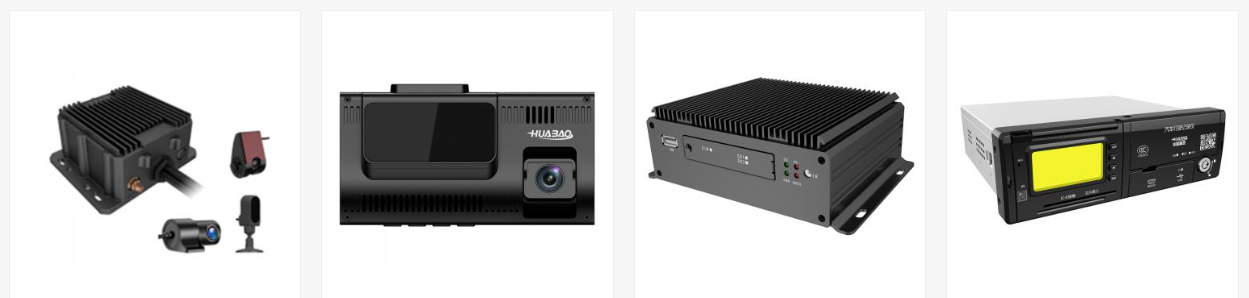
Na Huabao, reconhecemos que uma câmera de painel com IA não é um aparelho de consumo estático; é um nó de computação de borda altamente conectado, operando sob condições mecânicas e ambientais severas. A verdadeira estabilidade tecnológica não pode ser alcançada usando os usuários finais como campo de testes para produtos lançados às pressas.
Nossa filosofia de engenharia se concentra em validação rigorosa e personalização profunda antes que uma única unidade entre em produção em massa:
· Validação Pré-Mercado Exaustiva: Cada Huabao plataforma de hardware e versão de firmware correspondente passam por extensos testes simulados de estresse ambiental e em campo. Validamos minuciosamente as respostas dos algoritmos sob temperaturas extremas, alta vibração e grandes cargas de dados para garantir a estabilidade básica antes do lançamento comercial.
· Engenharia e personalização sob medida: Entendemos que um chicote de fios padronizado e pronto para uso não pode se adequar a todos os veículos de frota especializados. Huabao fornece suporte de engenharia personalizado, permitindo que clientes comerciais personalizem comprimentos de fios, selecionem conectores robustos especializados e solicitem ajustes de algoritmos específicos para cada aplicação.
· Suporte responsivo ao ciclo de vida OTA: Os ambientes de campo evoluem. Nossa infraestrutura de engenharia dedicada garante um ciclo contínuo de feedback, implementando atualizações precisas de firmware Over-The-Air (OTA) para adaptar parâmetros de IA de borda a casos extremos reais dentro de prazos previsíveis.
Conclusão
A expansão sustentável da frota depende da parceria com um fabricante de hardware que projeta soluções para a cabine real do veículo, em vez do showroom. Ao se concentrar em testes aprofundados antes do mercado, personalização flexível e forte integração entre hardware e firmware, as frotas podem garantir um retorno mensurável e de longo prazo sobre sua infraestrutura de segurança.


 Rede IPv6 compatível
 português
 English
 français
 Deutsch
 русский
 español
 العربية
 Türkçe
 हिंदी
हिंदी Tiếng Việt